If you’re considering extending your home in 2026, one of the first questions you’ll probably ask is, “How much does a house extension cost?” The answer depends on several factors, including the size of the extension, the type of extension, the materials used, and your location. However, understanding the typical costs involved can help you budget effectively and decide whether a house extension is the right investment for your property.
With rising property prices and moving costs continuing to increase, many homeowners are choosing to extend rather than relocate. A well-designed extension can create valuable extra living space while also increasing the value of your home.
Average House Extension Costs in 2026
As a general guide, homeowners can expect to pay between £2,000 and £3,500 per square metre for a standard house extension in 2026. More complex projects or luxury finishes can increase costs significantly.
Typical extension costs include:
- Single-storey extension: £30,000 – £80,000+
- Double-storey extension: £60,000 – £150,000+
- Rear extension: £35,000 – £100,000+
- Side return extension: £25,000 – £70,000+
- Wraparound extension: £60,000 – £150,000+
- Kitchen extension: £40,000 – £120,000+
- Orangery or glazed extension: £50,000 – £150,000+
These figures should be used as a guide only, as every project is unique.
What Factors Affect House Extension Costs?
Several factors can influence the final cost of your extension.
Size of the Extension
The larger the extension, the higher the overall cost. While larger projects can sometimes benefit from economies of scale, increasing the floor area will inevitably require more materials, labour, and structural work.
For example:
- 20m² extension: £40,000 – £70,000
- 30m² extension: £60,000 – £105,000
- 40m² extension: £80,000 – £140,000
Type of Extension
Different extension styles require different levels of construction complexity.
A straightforward rear extension is often one of the most cost-effective options, while wraparound and double-storey extensions involve additional structural work, roofing, and design considerations.
Ground Conditions
Before construction begins, your builder may need to investigate the ground conditions on your property. Poor soil quality, drainage issues, or nearby trees can require deeper foundations, increasing costs.
Structural Alterations
Many modern extensions involve removing rear walls to create open-plan living spaces. This often requires steel beams (RSJs) to support the structure.
The more structural work required, the higher the overall project cost.
Interior Finishes
The quality of fixtures and finishes can dramatically affect your budget.
Items such as:
- Flooring
- Kitchens
- Bathrooms
- Lighting
- Doors
- Windows
can vary from budget-friendly options to premium designer products.
Single-Storey Extension Costs
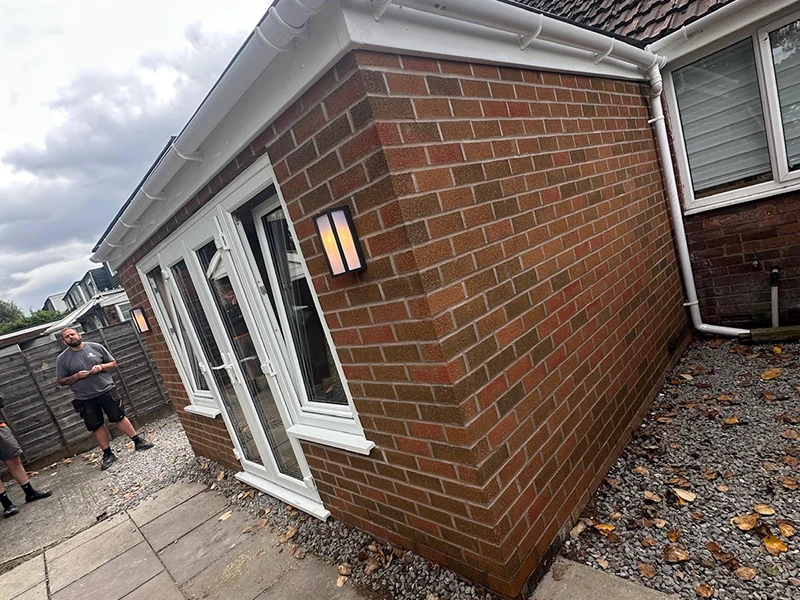
Single-storey extensions remain one of the most popular choices among UK homeowners.
They are ideal for:
- Larger kitchens
- Dining areas
- Family rooms
- Utility rooms
- Home offices
A typical 30m² single-storey extension in 2026 may cost between £60,000 and £90,000 depending on specification and location.
Benefits include:
- Increased living space
- Improved natural light
- Better connection to the garden
- Increased property value
Double-Storey Extension Costs
A double-storey extension can provide significantly more space without doubling the footprint of the extension.
Because the foundations and roof are shared across two floors, the cost per square metre can be lower than building two separate extensions.
Typical costs range from £60,000 to £150,000+ depending on size and complexity.
Common uses include:
- Additional bedrooms
- En-suite bathrooms
- Larger kitchens
- Family living areas
Kitchen Extension Costs
Kitchen extensions continue to be one of the most desirable home improvement projects in 2026.
Many homeowners are looking to create:
- Open-plan kitchen diners
- Kitchen family rooms
- Entertaining spaces
- Indoor-outdoor living areas
Kitchen extension projects often cost more because they combine building work with the installation of a new kitchen.
Typical costs range from £40,000 to £120,000+.
Factors influencing cost include:
- Kitchen specification
- Appliances
- Worktops
- Lighting
- Bi-fold or sliding doors
Planning Permission Costs
Not all house extensions require planning permission.
Many projects can be completed under Permitted Development Rights, allowing homeowners to extend their property without a full planning application.
However, planning permission may be required if:
- The extension exceeds size limits
- You live in a conservation area
- The property is listed
- The design significantly alters the property’s appearance
Planning application fees are relatively small compared to overall build costs, but professional drawings and surveys may add to the budget.
Building Regulations Costs
Regardless of whether planning permission is required, most extensions must comply with Building Regulations.
These regulations ensure that the extension meets standards for:
- Structural safety
- Fire safety
- Insulation
- Ventilation
- Drainage
- Energy efficiency
Building Control fees generally range from several hundred to several thousand pounds depending on project size.
Architect and Design Fees
Professional design services are often one of the most worthwhile investments in an extension project.
An architect or architectural designer can help maximise available space while ensuring compliance with planning and building regulations.
Design fees typically range from 5% to 15% of the construction cost.
Services may include:
- Initial concepts
- Planning drawings
- Technical drawings
- Structural coordination
- Project management
Hidden Costs to Consider
Many homeowners focus solely on construction costs and overlook additional expenses.
Potential hidden costs include:
Structural Engineering
Steel beam calculations and structural drawings may be required.
Drainage Alterations
Existing drains may need to be moved or protected.
Utility Relocation
Gas, electric, and water services may require modification.
Landscaping
Patios, pathways, and garden areas may need reinstatement after construction.
Temporary Accommodation
Some larger projects may require homeowners to move out temporarily.
Allowing a contingency budget of around 10% to 15% can help cover unexpected expenses.
Will a House Extension Add Value?
In many cases, a well-designed extension can significantly increase property value.
The amount of value added depends on:
- Property location
- Extension type
- Build quality
- Market conditions
Kitchen extensions, open-plan living spaces, and additional bedrooms are often among the most valuable improvements.
While every property is different, many homeowners find that an extension not only improves their lifestyle but also provides a strong return on investment.
Is It Cheaper to Extend or Move?
Moving home can involve substantial costs including:
- Estate agent fees
- Stamp Duty
- Solicitor fees
- Removal costs
- Mortgage arrangement fees
For many families, extending their existing home can be a more cost-effective solution while allowing them to remain in a familiar area close to schools, work, and local amenities.
An extension also allows homeowners to create a property tailored specifically to their needs rather than compromising when purchasing a new home.
Tips for Keeping Extension Costs Under Control
If you’re planning an extension in 2026, consider the following tips:
- Set a realistic budget from the beginning.
- Obtain detailed quotations from reputable builders.
- Avoid making major design changes during construction.
- Include a contingency fund.
- Choose materials carefully.
- Work with experienced professionals.
- Consider energy-efficient upgrades while building.
Proper planning can prevent costly surprises and help ensure a smooth construction process.
Final Thoughts
House extension costs in 2026 vary considerably depending on the size, specification, and complexity of the project. While a modest extension may start from around £30,000, larger or more luxurious projects can exceed £150,000.
The key to a successful extension is careful planning, realistic budgeting, and choosing experienced professionals who understand your vision. Whether you’re looking to create a larger kitchen, add extra bedrooms, or transform the way you use your home, a well-designed extension can provide valuable additional space while increasing the long-term value of your property.
If you’re considering a house extension, speaking to an experienced design and build specialist can help you understand the options available and provide an accurate quotation based on your specific requirements.